Entradas

🎙 Hear me speak / Escúchame hablar

▶  Watch / Ver

Talks on neurodiversity in English & Español

What I Witnessed in One Week at an ABA Centre — and Why I Resigned
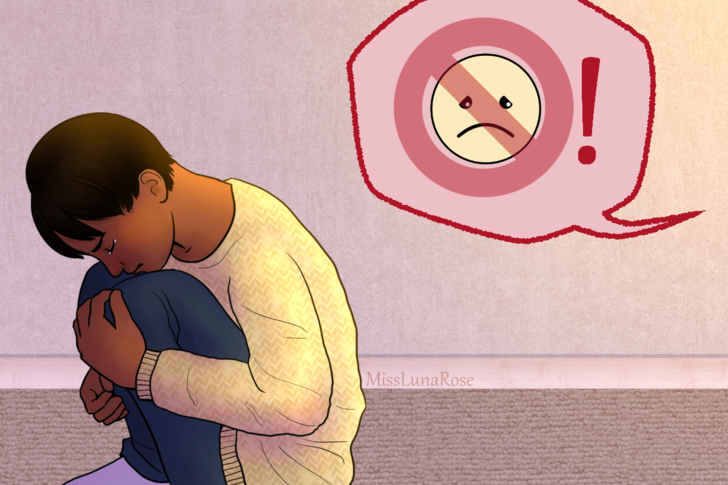
Imagen
My first experience working with autistic children was in 2017, at a summer camp here in Canada run by an ABA centre. Because it was a recreational setting — taking kids to different places around the city — the context felt freer, and my impression of the approach wasn't particularly negative at the time. What began to shift that was something simpler: listening. The more I sought out the voices of autistic people themselves, the more my understanding changed. That process accelerated sharply when I took a position as a Behavioural Therapist at an ABA/IBI centre. The format was as follows: On my first day of training, I walked into two rooms, each with four to six therapists seated alongside a child at a desk. On the tables: materials, and thick folders of instructions. The format was precise. Each skill — say, responding to one's name — came with a standardized code, a list of mastery criteria (the child had to demonstrate the skill in over 80% of trials, including on the fir...

Una semana en un centro ABA: lo que presencié y por qué renuncié

Imagen
La primera vez que trabajé con niños dentro del espectro fue el 2017 en un centro ABA también acá en Canadá, pero en un contexto mas “libre” en un campamento de verano, en donde el énfasis estaba en llevar a los chicos a distintos lugares recreativos de la ciudad. Como era un contexto más flexible mi apreciación del paradigma no era TAN negativa, pero todo eso ha ido cambiando gracias a mi curiosidad por escuchar a la comunidad autista, y ahora confirm é lo poco ético y da ñino que puede ser cuando entré a trabajar en un centro ABA/IBI como Terapeuta del Comportamiento. Cuando comencé mi entrenamiento en este centro lo primero que vi fueron 4 a 6 terapeutas en cada sala, cada uno con un niño haciendo trabajo en mesa. En la mesa estaban los materiales, pero también en el mismo espacio había 1 o 2 carpetas llenas de instructivos sobre como trabajar las habilidades que se intentaban reforzar. El formato era el siguiente...  El nombre y el código de la habilidad, como por ejemplo ...

Vocabulario Autista: Ficha de Ayuda

Imagen
 

Functioning Labels: Why We Need to Leave Them Behind

Imagen
When we use functioning labels, we are adopting a fundamentally biased view of what support looks like across the entire autistic community. When someone is labeled "high functioning," their need for accommodations is dismissed because according to whoever is doing the labeling, that person functions "almost normally." This framing ignores that autistic people across the entire spectrum face real difficulties navigating a world that was not built for them, both sensorially and structurally. It also overlooks differences in motor development and co-occurring conditions like dyslexia or dyscalculia, which are less visible but no less real. These needs don't disappear because someone can communicate verbally. A concrete example of this are autistic people with less support needs during moments of dysregulation. Because they usually can communicate verbally, it is assumed that they always can, even in the moments when they least can. When they are in the middle of a...

Etiquetas de Funcionamiento: Por Qué Necesitamos Dejarlas Atrás

Imagen
Cuando ocupamos etiquetas de funcionamiento estamos adoptando una visión completamente prejuiciosa de las necesidades de apoyo de toda la comunidad autista. Cuando hablamos de "alto funcionamiento" estamos desestimando que ese individuo necesita apoyos, porque según el criterio de quien lo etiqueta, esa persona funciona más "parecido a lo normal." Esta mirada ignora que las personas autistas a lo largo de todo el espectro tienen dificultades reales para navegar un mundo que no fue construido para ellas, tanto a nivel sensorial como estructural. También pasa por alto diferencias en el desarrollo motor y condiciones co-ocurrentes como la dislexia o la discalculia, que son menos visibles pero igualmente reales. Estas necesidades no desaparecen porque alguien pueda comunicarse verbalmente. Un ejemplo concreto de esto son las personas autistas con menos necesidades de apoyo en momentos de desregulación. Por poder comunicarse verbalmente, se asume que siempre pueden hacer...

Keys to Understanding Autistic Behavior: A path to a more inclusive and empathetic world with neurodivergence

Imagen
The Emotional Landscape of Autism One of the most important things to understand about the autistic experience is the intensity with which emotions are felt. As autistic neurodiversity advocate Janae Elisabeth describes it: sensory and emotional experience operate on a different scale: happiness can arrive as elation, sadness as devastation, grief as something that feels like the end of the world. The same intensity that applies to sound, light, touch, taste, and smell applies equally to the emotional world. Because the connection between emotions and the body is so immediate and so strong, movement becomes a primary tool for processing and self-regulation. Stimming — tapping, rocking, spinning, flapping, bouncing, dancing — is not a behavioural quirk to be eliminated. It is, as Elisabeth puts it, how many autistic people "stay in touch with their inner selves and their intense emotional world." Motion is emotional processing. Any approach that attempts to suppress stimming i...

Claves para Entender la Conducta Autista: Camino Hacia un Mundo Más Inclusivo y Empático con la Neurodivergencia

Imagen
El Paisaje Emocional del Autismo Una de las cosas más importantes que hay que entender sobre la experiencia autista es la intensidad con la que se sienten las emociones. Como describe la activista autista Janae Elisabeth: la experiencia sensorial y emocional opera en una escala diferente; la felicidad puede llegar como euforia, la tristeza como devastación, el duelo como algo que se siente como el fin del mundo. La misma intensidad que aplica al sonido, la luz, el tacto, el gusto y el olfato, aplica también al mundo emocional. Dado que la conexión entre las emociones y el cuerpo es tan inmediata y tan profunda, el movimiento se convierte en una herramienta primaria para procesar y autorregularse. Las estereotipias — golpetear, balancearse, girar, agitar las manos, rebotar, bailar — no son una conducta a eliminar. Son, como señala Elisabeth, la forma en que muchas personas autistas "se mantienen en contacto con su yo interior y su intenso mundo emocional." El movimiento es p...

Parenting Stress and Autism: Navigating the Pre-Diagnosis Stage, the Diagnosis, and Worries About the Future

Imagen
This post was originally written during the Covid-19 pandemic in 2020 and updated in 2026. Some references reflect that original moment in time and have been kept intentionally, as they are part of the history of this blog and the community it was written for. The book and film recommendations have been updated to reflect my current thinking.  What is stress? Stress is part of our natural response to the demands and challenges the environment places on us, it is a universal human experience. In many ways it is essential to our survival, preparing us to react quickly to stimuli we perceive as threatening. It is one of our most important adaptive resources. That said, chronic stress — sustained periods of exhaustion and overwhelm — can take a serious long-term toll, not only psychologically but physically as well. Autism and stress As I've mentioned in previous posts, autistic individuals navigate differences in social interaction and communication, as well as differences in sleep,...