Entradas

Mostrando las entradas etiquetadas como Autistic Acceptance

🎙 Hear me speak / Escúchame hablar

▶  Watch / Ver

Talks on neurodiversity in English & Español

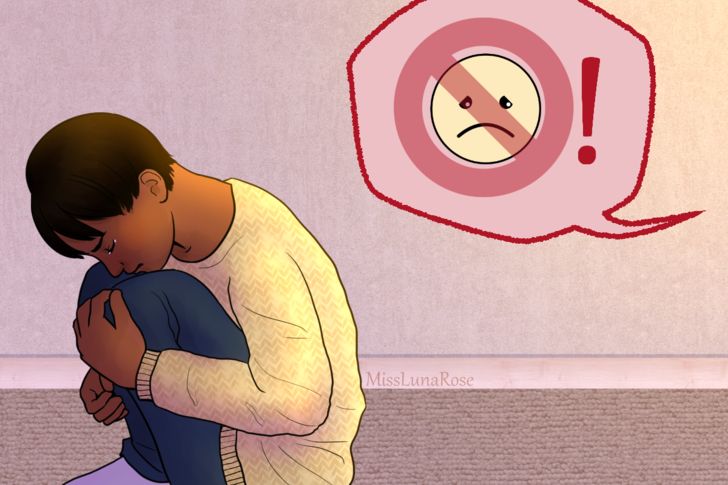
What I Witnessed in One Week at an ABA Centre — and Why I Resigned
Imagen
My first experience working with autistic children was in 2017, at a summer camp here in Canada run by an ABA centre. Because it was a recreational setting — taking kids to different places around the city — the context felt freer, and my impression of the approach wasn't particularly negative at the time. What began to shift that was something simpler: listening. The more I sought out the voices of autistic people themselves, the more my understanding changed. That process accelerated sharply when I took a position as a Behavioural Therapist at an ABA/IBI centre. The format was as follows: On my first day of training, I walked into two rooms, each with four to six therapists seated alongside a child at a desk. On the tables: materials, and thick folders of instructions. The format was precise. Each skill — say, responding to one's name — came with a standardized code, a list of mastery criteria (the child had to demonstrate the skill in over 80% of trials, including on the fir...

Functioning Labels: Why We Need to Leave Them Behind

Imagen
When we use functioning labels, we are adopting a fundamentally biased view of what support looks like across the entire autistic community. When someone is labeled "high functioning," their need for accommodations is dismissed because according to whoever is doing the labeling, that person functions "almost normally." This framing ignores that autistic people across the entire spectrum face real difficulties navigating a world that was not built for them, both sensorially and structurally. It also overlooks differences in motor development and co-occurring conditions like dyslexia or dyscalculia, which are less visible but no less real. These needs don't disappear because someone can communicate verbally. A concrete example of this are autistic people with less support needs during moments of dysregulation. Because they usually can communicate verbally, it is assumed that they always can, even in the moments when they least can. When they are in the middle of a...

Keys to Understanding Autistic Behavior: A path to a more inclusive and empathetic world with neurodivergence

Imagen
The Emotional Landscape of Autism One of the most important things to understand about the autistic experience is the intensity with which emotions are felt. As autistic neurodiversity advocate Janae Elisabeth describes it: sensory and emotional experience operate on a different scale: happiness can arrive as elation, sadness as devastation, grief as something that feels like the end of the world. The same intensity that applies to sound, light, touch, taste, and smell applies equally to the emotional world. Because the connection between emotions and the body is so immediate and so strong, movement becomes a primary tool for processing and self-regulation. Stimming — tapping, rocking, spinning, flapping, bouncing, dancing — is not a behavioural quirk to be eliminated. It is, as Elisabeth puts it, how many autistic people "stay in touch with their inner selves and their intense emotional world." Motion is emotional processing. Any approach that attempts to suppress stimming i...

Parenting Stress and Autism: Navigating the Pre-Diagnosis Stage, the Diagnosis, and Worries About the Future

Imagen
This post was originally written during the Covid-19 pandemic in 2020 and updated in 2026. Some references reflect that original moment in time and have been kept intentionally, as they are part of the history of this blog and the community it was written for. The book and film recommendations have been updated to reflect my current thinking.  What is stress? Stress is part of our natural response to the demands and challenges the environment places on us, it is a universal human experience. In many ways it is essential to our survival, preparing us to react quickly to stimuli we perceive as threatening. It is one of our most important adaptive resources. That said, chronic stress — sustained periods of exhaustion and overwhelm — can take a serious long-term toll, not only psychologically but physically as well. Autism and stress As I've mentioned in previous posts, autistic individuals navigate differences in social interaction and communication, as well as differences in sleep,...

How to foster a positive autistic identity in children

Imagen
How to foster a positive autistic identity in children “As it stands, we are doing almost everything wrong as a society”. (Maxine Share, 2019) Executive Functioning 🧠  Following multi-step directions can be genuinely difficult for many autistic children, not because of unwillingness, but because of how their nervous system processes sequential information. Use a multimodal approach: pair verbal instructions with visual aids, illustrations, physical demonstrations, or written cues. If you're using spoken instructions alone, break them into one step at a time, use clear and direct language, and focus only on what's essential. Verbal only instruction is typically the least accessible modality for autistic learners.   🧠 Many autistic children experience significant challenges communicating their needs, and unmet needs almost always show up in behaviour. Before interpreting a behaviour as a "problem," ask yourself: what might this child be trying to tell me? When ...

Hablemos sobre Neurodiversidad

Imagen
En el primer post de este blog hable respecto a mi postura respecto al ABA y la necesidad de abrirnos a nuevas formas de hacer terapia que apuesten a la ne u ro d iv e rs id ad , esto es aceptando que todas las formas de desarrollo neurológico son válidas. No hay nada defectuoso ni nada que "tratar" en el individuo, sino más bien aceptar que existen diferencias y no deficiencias en el desarrollo. Ahora, esto involucra un cambio de paradigma que nos interpela sobre como entendemos y nos relacionamos con las personas neuro diversas. Vivimos en una cultura que está acostumbrada a discapacitar a las personas que tienen un desarrollo neurológico diferente, priorizando el ruido y la cantidad indiscriminada de luces dentro de locales, sean tanto tiendas comerciales como centros médicos, no teniendo ninguna consideración con sujetos con déficit socio integrativo. En Chile particularmente estas dificultades son dramáticas para quienes tienen discapacidad física, ya que la mayoría d...